不日見
- EN
- JA
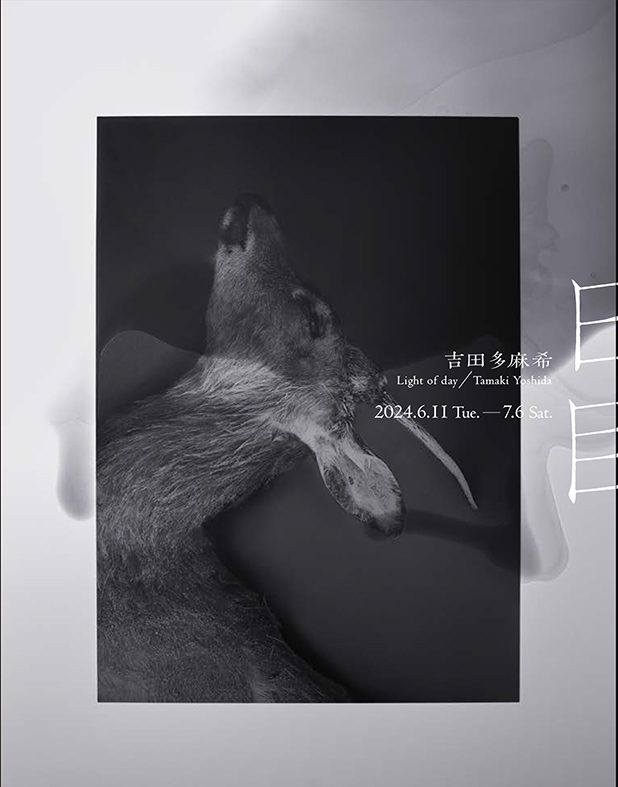
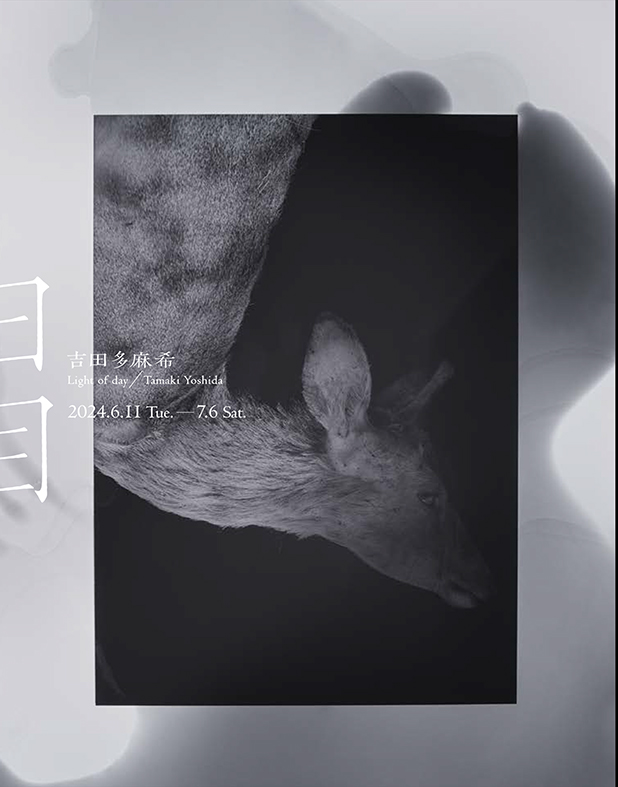
This project focuses on the deaths of living creatures that have been struck by vehicles and left abandoned on the roadside.
Roads, intricately woven like blood vessels, have brought us countless benefits, energizing our society, economy, and daily lives in myriad ways. These roads also carry countless climbers and tourists to the foothills of Mount Fuji.
The lives that flourish in the embrace of Mount Fuji, in their natural course, would have ended upon the soil of their homeland, becoming part of the earth and nourishing other living beings. However, alongside human activity, countless deaths of non-human creatures also occur. I believe that by confronting this often-overlooked darkness, we can better understand our own way of life.
In the foothills of Mount Fuji, particularly in Fujiyoshida City, an average of 130 animal carcasses are collected annually following reports from the public (this figure does not account for all roadkill incidents in the region). When considering cases where animals retreat into the undergrowth and perish after colliding with vehicles, are preyed upon or carried away by other creatures, or are too small or displaced too far to be discovered, the actual number is estimated to be three to four times higher.
From my own experiences witnessing deer and small animals crossing roads, as well as encountering roadkill such as snakes and deer, I developed this project with the cooperation of the NPO Fujisan Outdoor Museum. Through this work, I aim to capture Mount Fuji while addressing the issue of roadkill in its surrounding areas.
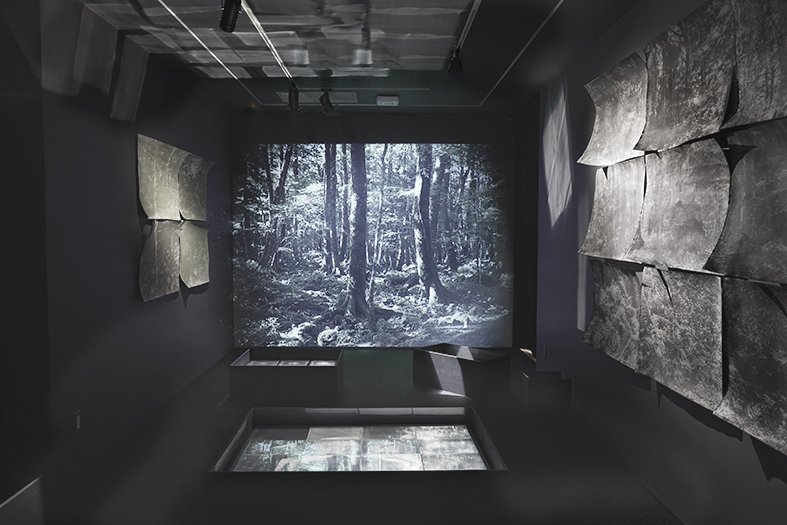
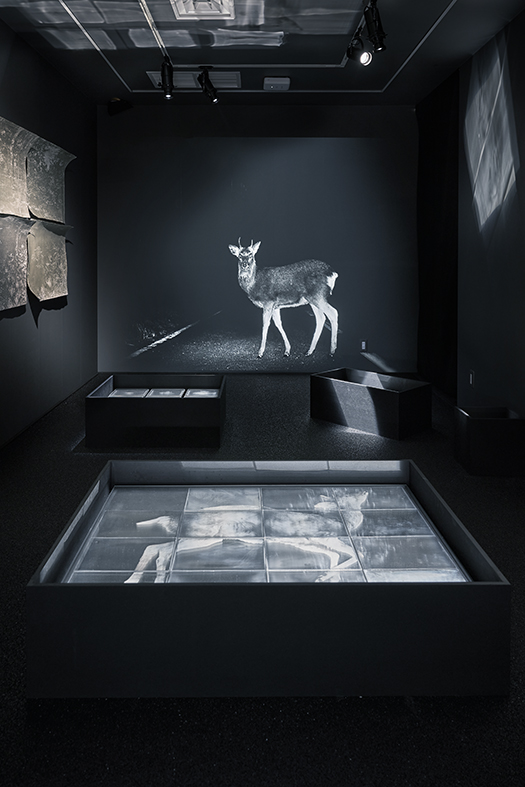
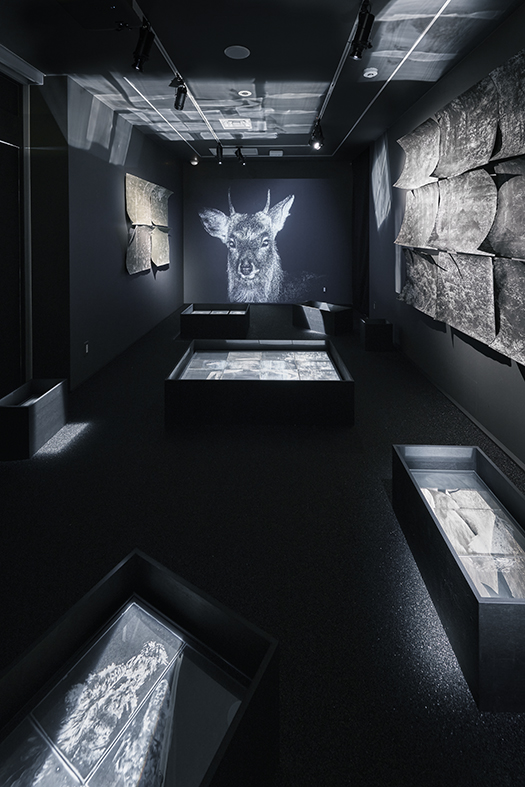
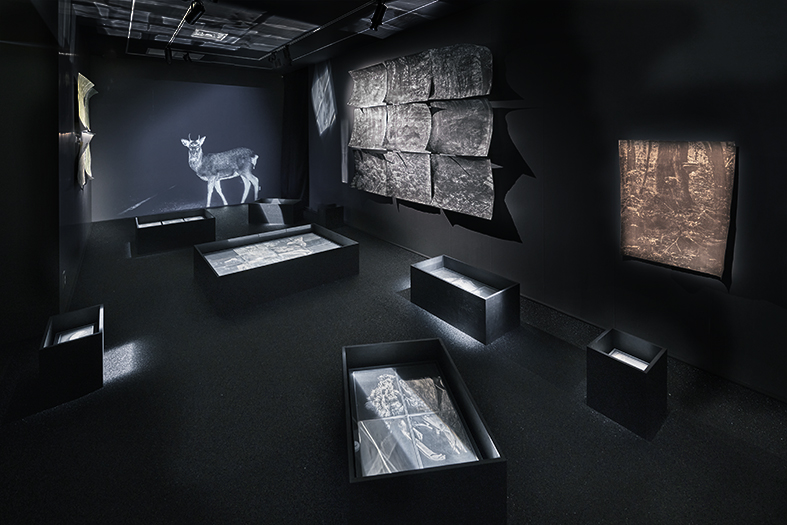
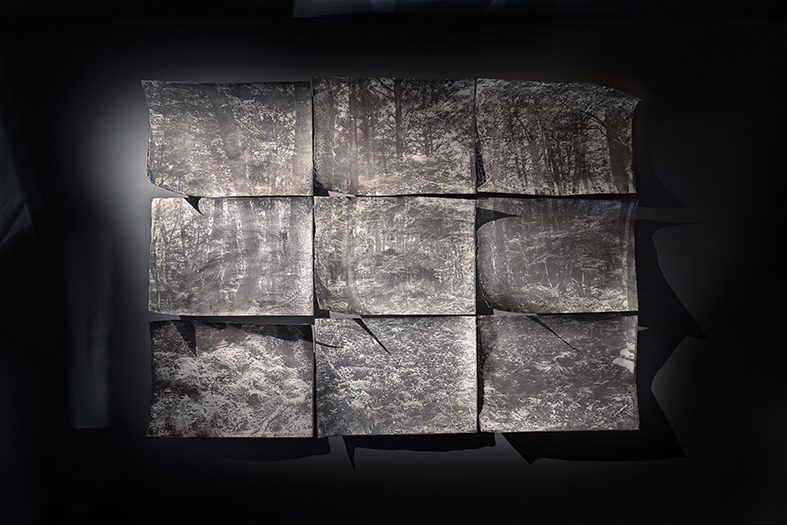
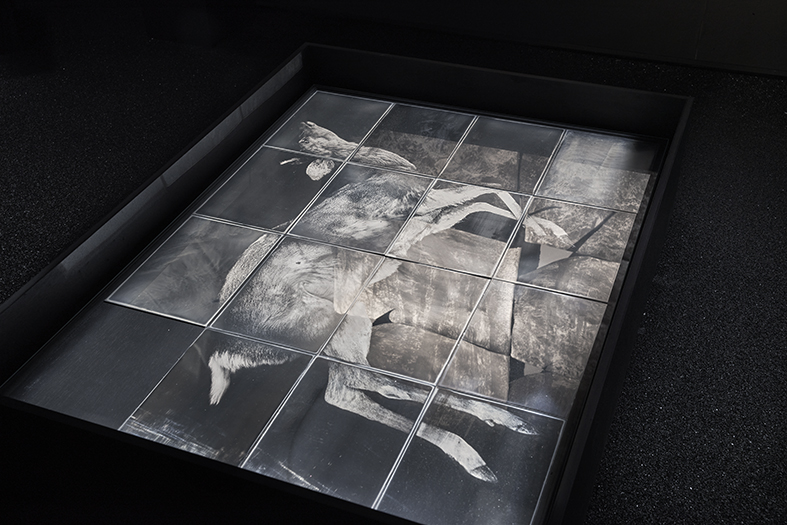
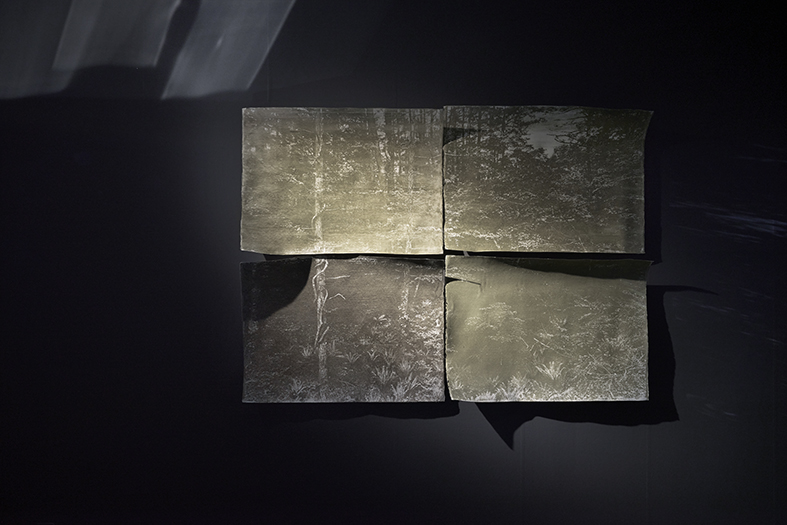
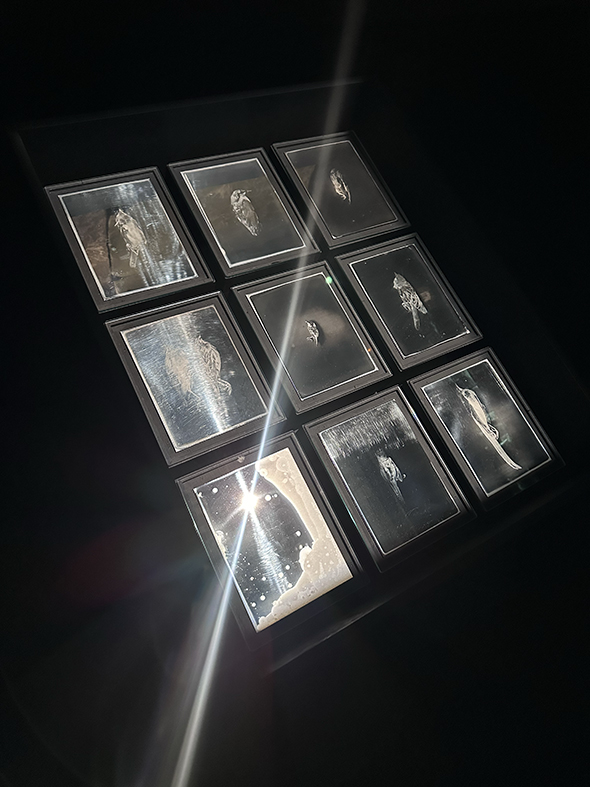
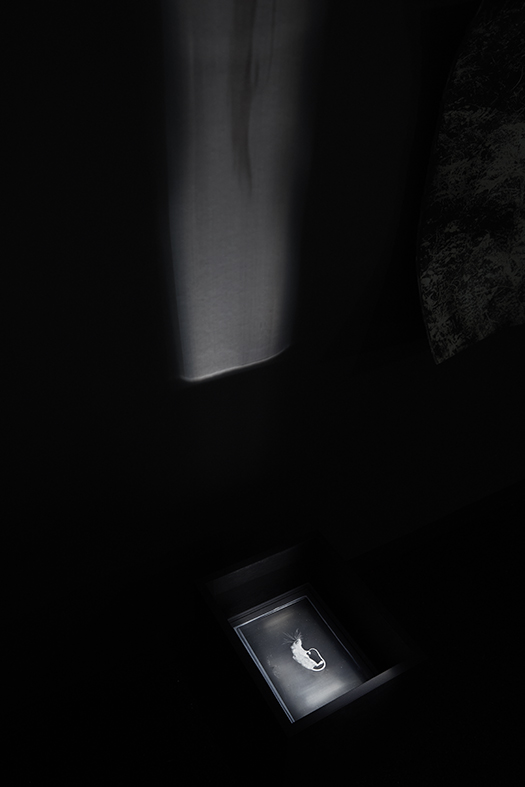
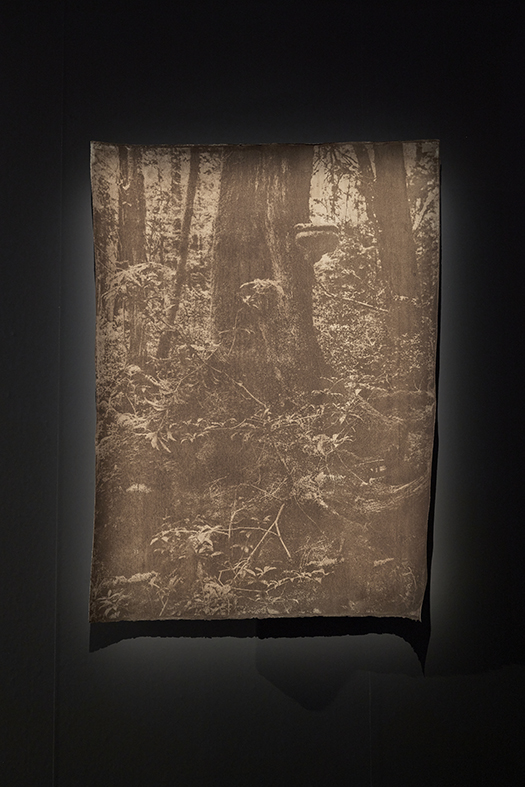
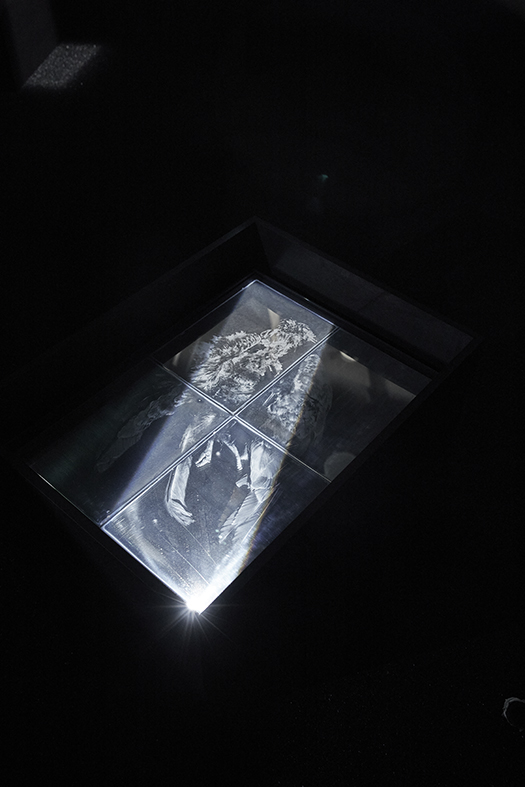
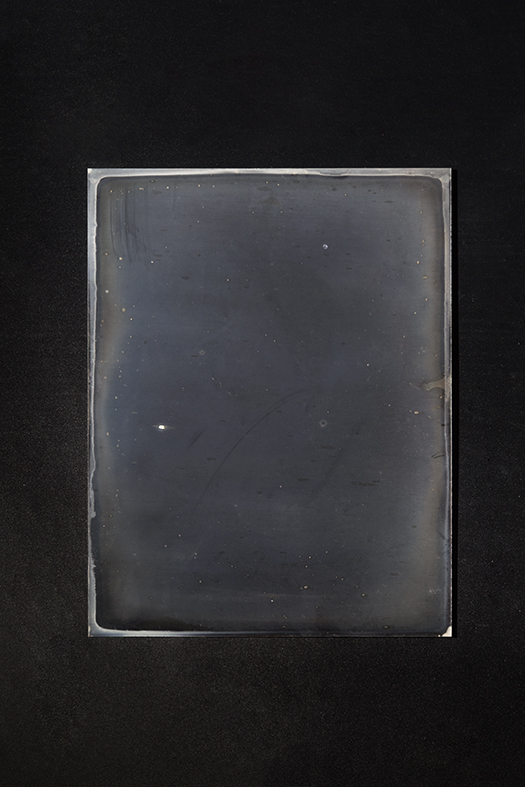
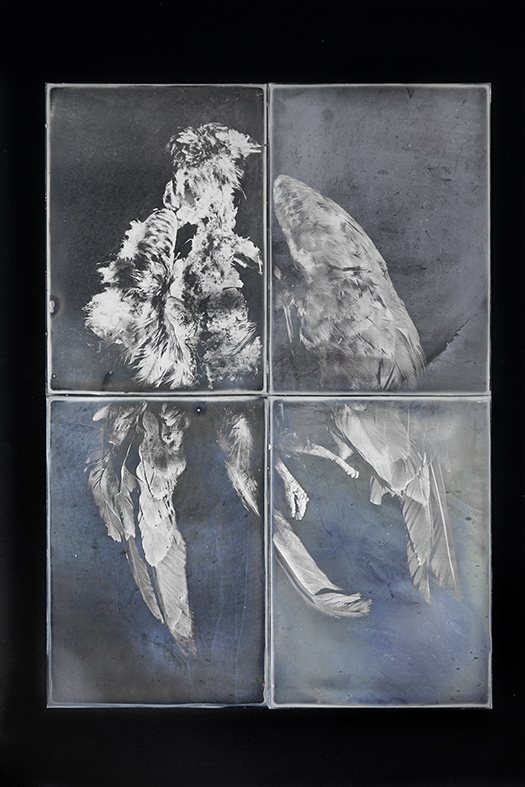
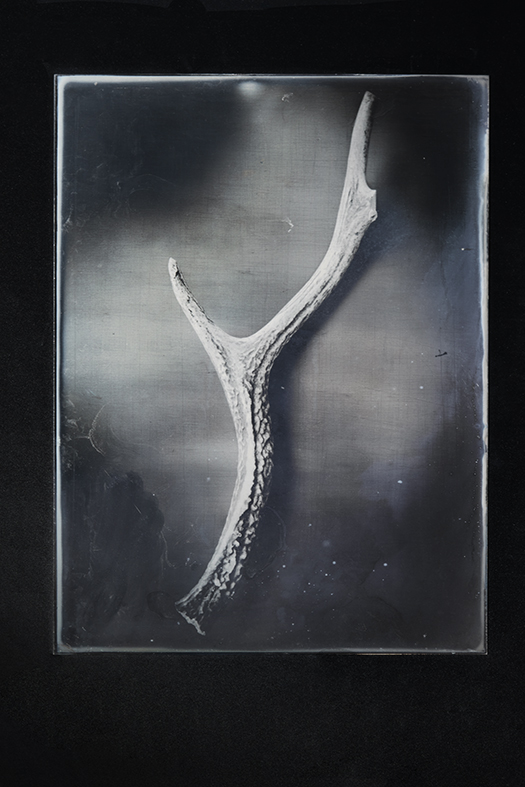
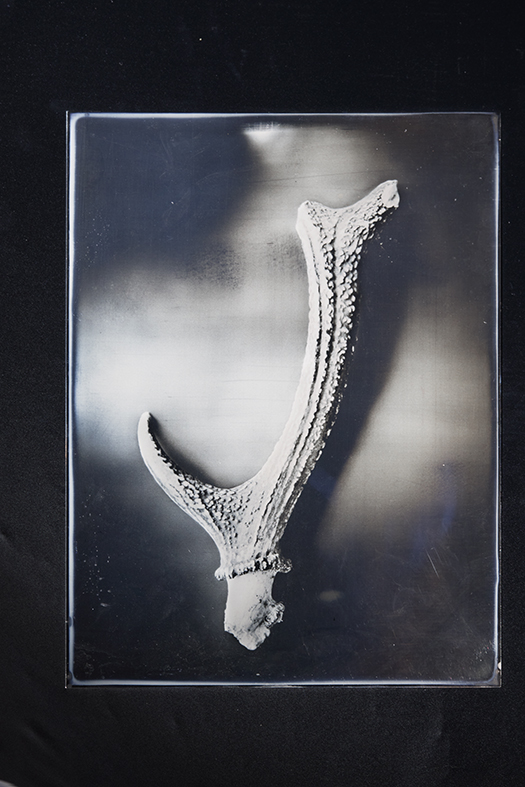
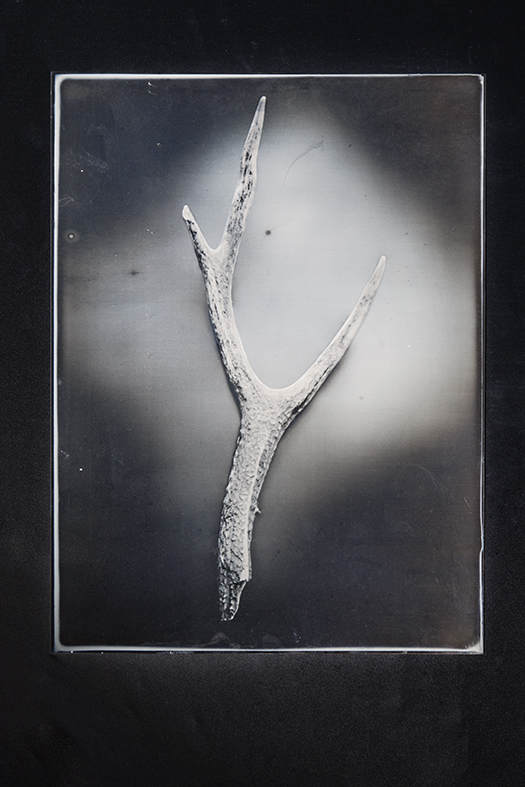
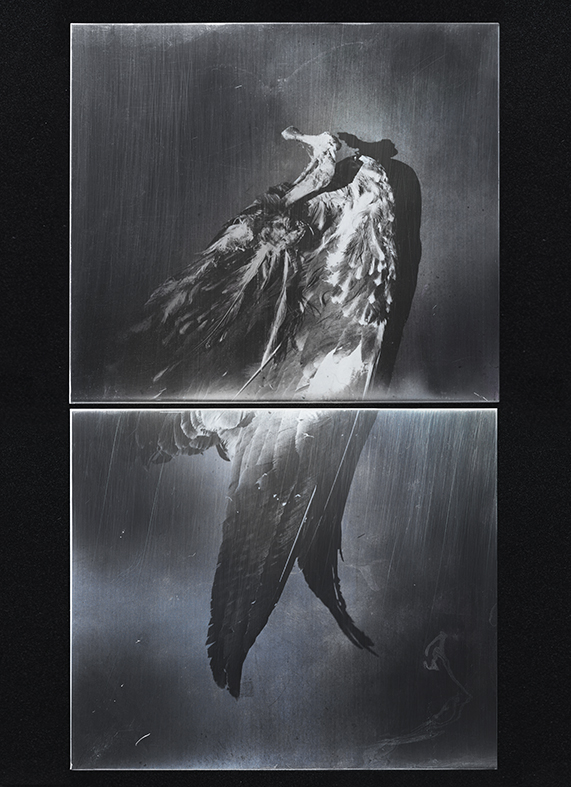
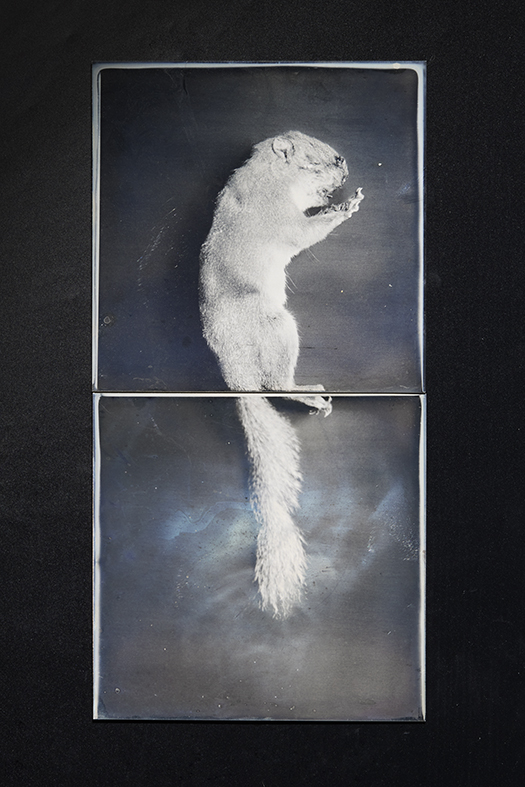
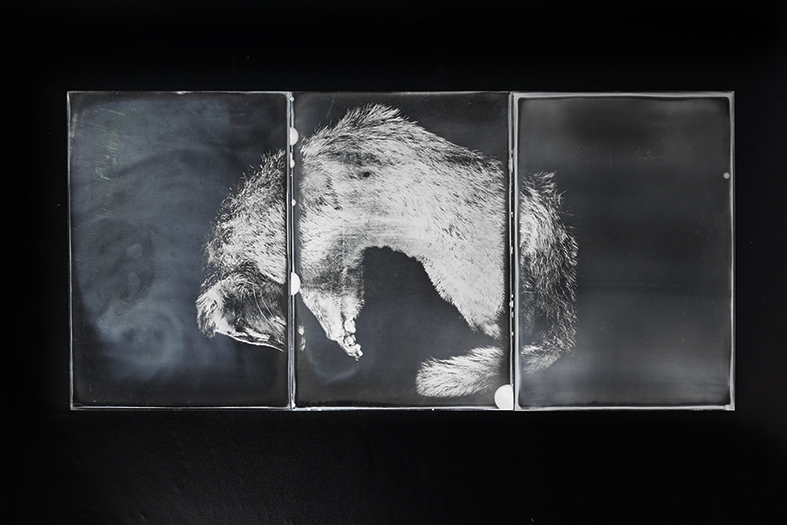
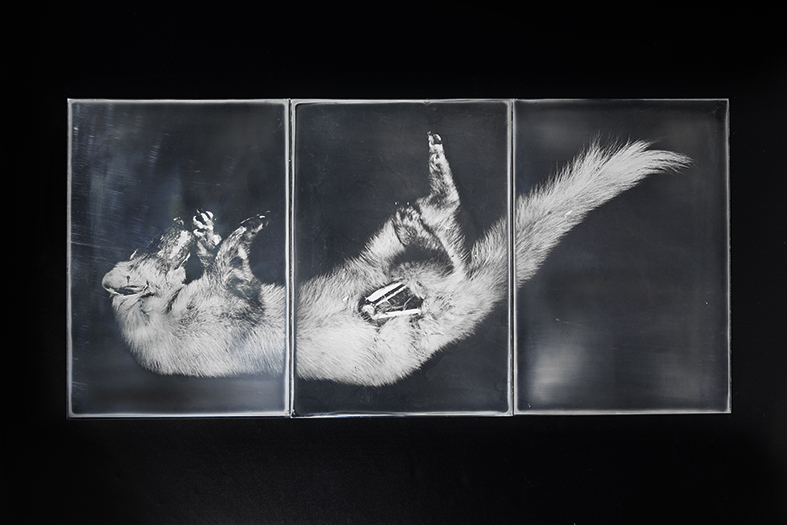
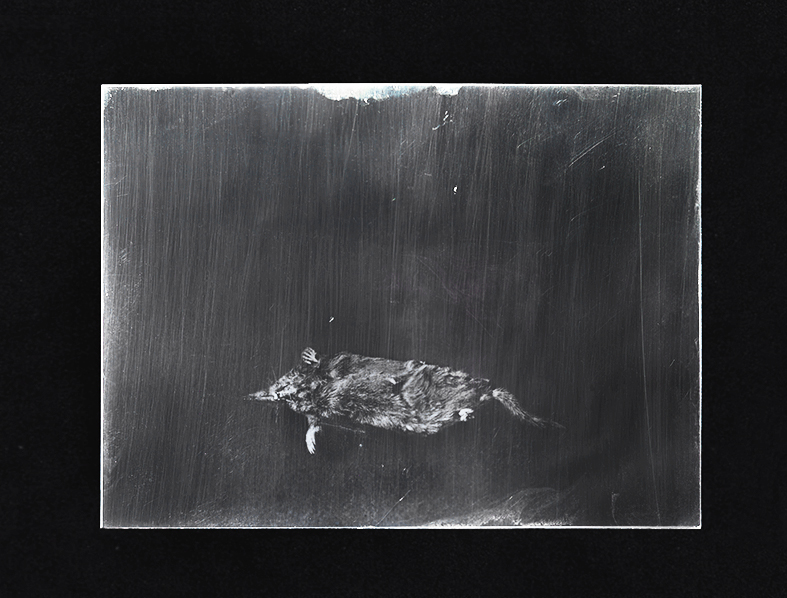
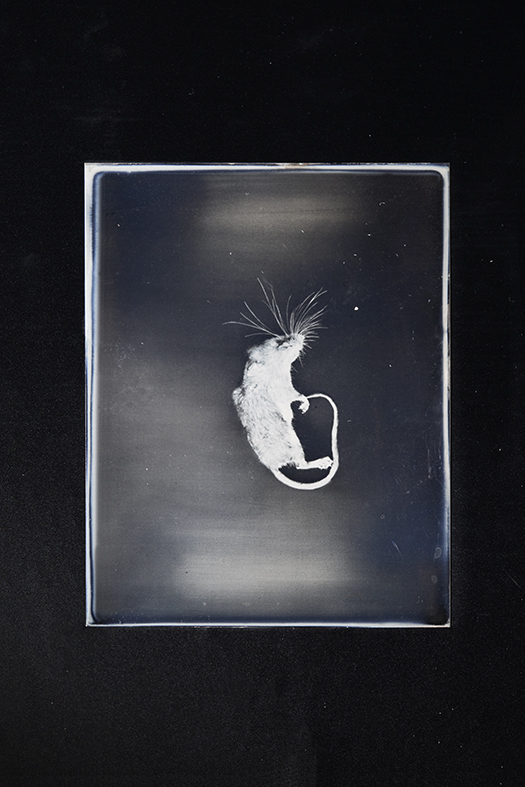
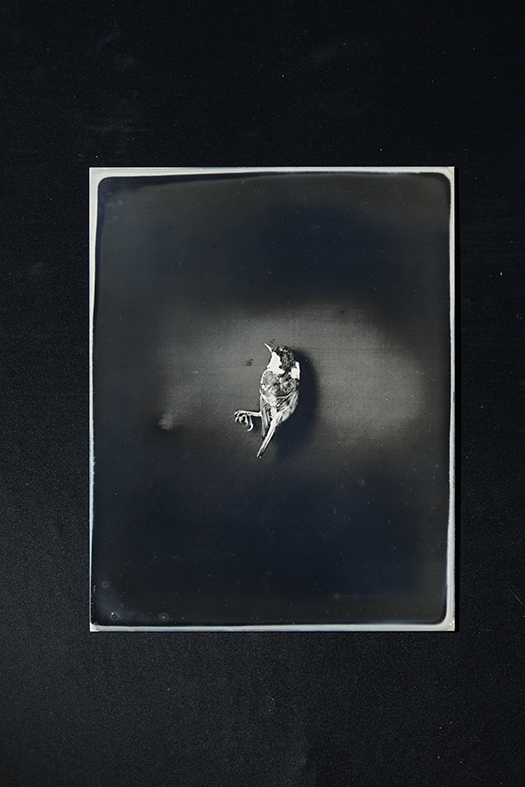
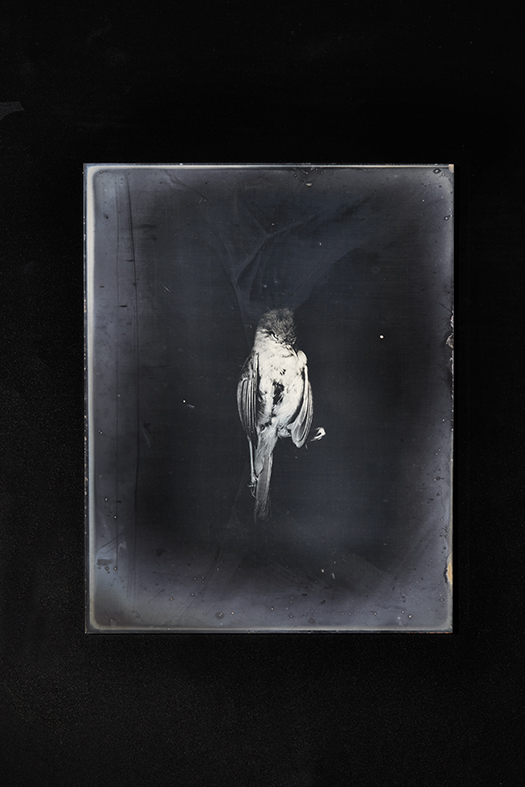
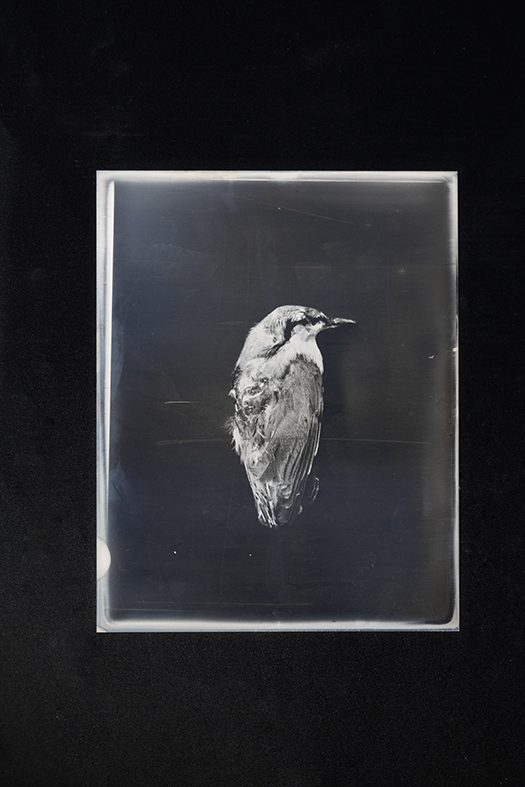
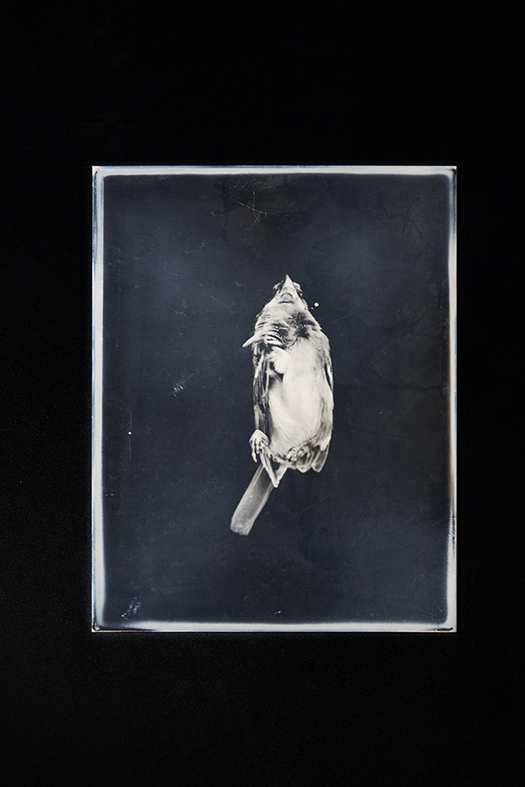
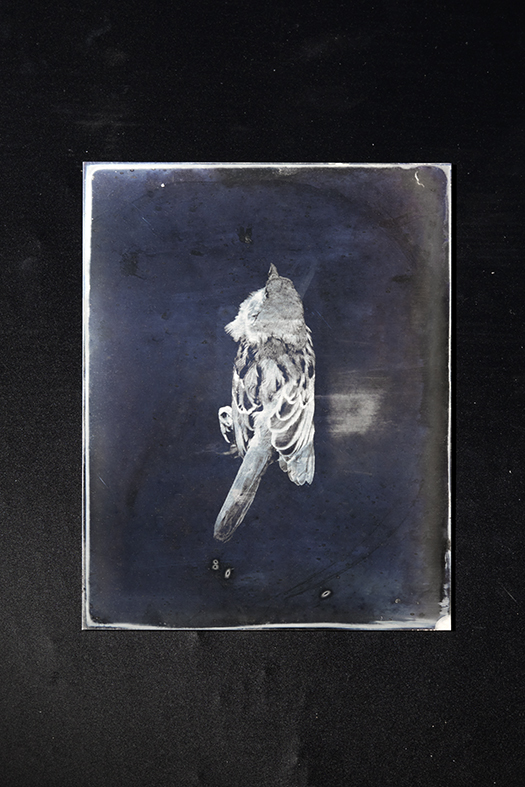
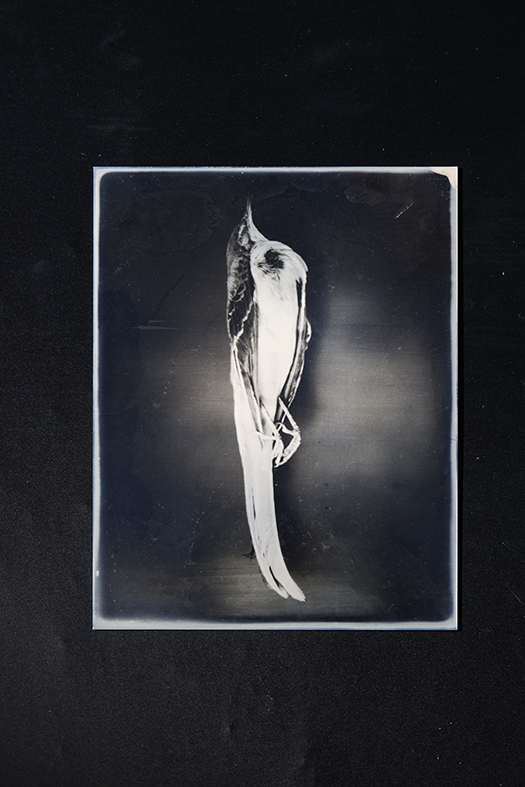
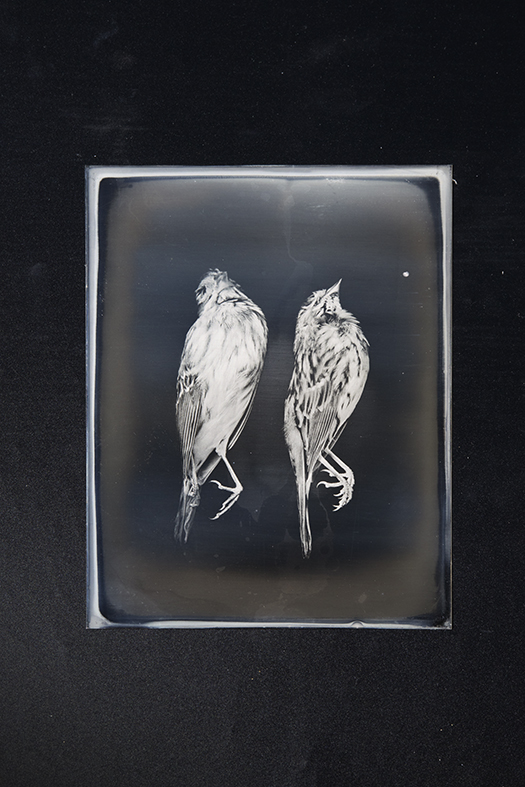
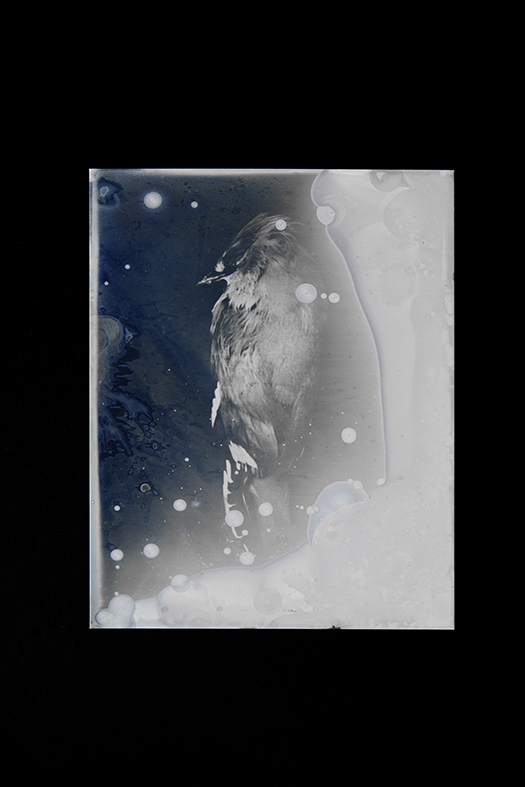
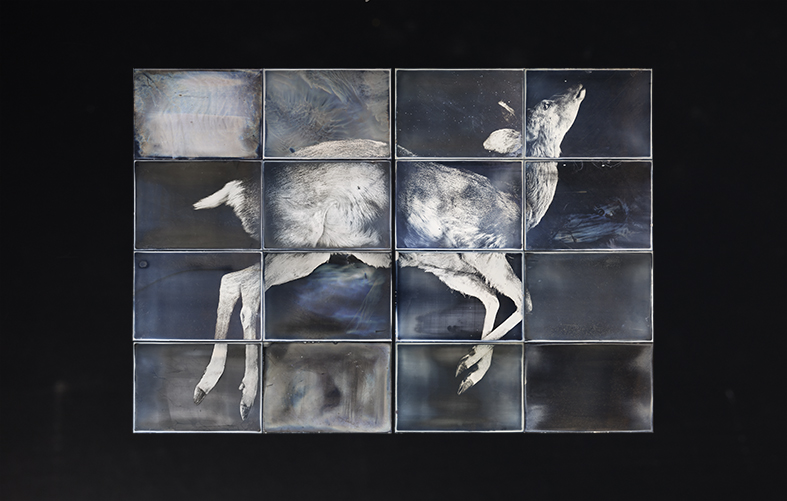
For this exhibition, I contemplated how to convey the rawness and impact of animals that have lost their lives in traffic accidents. First, I created pigments using plants and soil sourced from the habitats where these animals once lived and used the gum print technique to transfer these images onto cotton paper. Additionally, I employed the daguerreotype process—a technique historically used to document deceased individuals—to create nearly life-sized images of roadkill animals on metal plates. This approach also aligns with the concept of "WONDER Mt. FUJI," which commemorates the 200th anniversary of the invention of photography.
The stark contrast between the inorganic metal plates bearing the images of deceased animals and the organic gum prints of forest landscapes highlights the unnatural severance of these creatures from their ecosystems due to human activity.
About the Exhibition Title "Hinome" (日目)
As this exhibition is a spin-off of "WONDER Mt. FUJI," its theme is closely tied to Mount Fuji. During this project, I encountered the Japanese mole species Himizu for the first time. Native to Japan, this mole has degenerated eyes, rendering it blind—hence its name, which can be written as "日不見" (meaning "one who does not see the sun"). Tragically, I found this animal lifeless on the road, a victim of roadkill.
Animals killed by traffic accidents are often ignored, rarely becoming topics of discussion. Through this exhibition, I hope to give these overlooked creatures a moment in the light, which is why I chose the title "Hinome" (日目), meaning "a day in the sun."
これは、交通事故に遭い路上に放置された生物の死にフォーカスしたプロジェクトである。
血管の様に張り巡らされる「道」。その発展は私たちにさまざまな恩恵をもたらし、社会、経済、生活あらゆる面での活動を活発化させてきた。
そして、その道は、富士山麓にも無数の登山客や観光客を届けている。
華やかに賑わう富士の懐の命は、本来ならその地の土の上で命を終え、他の生物やその土地の一部になるはずだった。
多くの人々の活動と共に、多くの生物の死も生まれる。
その闇に目を向けることは、私たちの生き方を知ることでもあると私は考える。
富士吉田市を中心とする富士山麓では、通報を受けて回収された動物の死骸だけでも年間平均130頭にのぼる(*富士山麓全域でのロードキル件数ではない)。
車両との接触直後に茂みに逃げ込んで死亡したり、他の生物に捕食されたり運ばれたりするケース、また、あまりに小さかったり跳ね飛ばされたりして発見されないケースも含めると、実際の被害はその3~4倍にのぼると推測されている。
実際に道路を横断する鹿や小動物、轢かれた蛇や鹿を目にした経験から、NPO法人富士山アウトドアミュージアムの協力を得て、富士山麓のロードキルをテーマに富士山を捉える作品を制作した。
展示にあたり、交通事故で命を落とした動物の姿が持つ生々しさや衝撃を、どのように伝えるかを考えた。
そこでまず、事故に遭った生き物が元々生息していた環境を、その土地から採取した植物や土を使って顔料を作り、ガムプリント技法でコットン紙に焼き付けた。
そして、かつて亡くなった人の姿を記録するために用いられたダゲレオタイプを用いて、交通事故死した動物の姿を等身大に近いサイズで金属板に焼き付けた。(ダゲレオタイプについては、写真の誕生200周年を意識した「WONDER Mt.FUJI」展の趣旨にも合うと考えた)
無機質な金属板に映し出された動物の姿は、限りなく有機的な手法で作られたガムプリントによる森の写真と対比し、私たち人間の行動によって生態系から無理やり切り離されてしまった生き物を象徴している。
<展示タイトルの「日目」について>
「日目」は「WONDER Mt.FUJI」のスピンオフの展示のため、富士にまつわるテーマでNO展示となる。
このプロジェクトで私は初めてヒミズという生き物を知った。日本固有種のモグラで、目が退化して無い。そのため、日を見ず/日不見と書く。今回ロードキルにあい、路上で死んでいた。
ロードキルにあった生き物は、目を背けられることが多く話題になることも少ない。
その様な生き物がようやく日の目をみる機会にしたい、という思いから、展示タイトルを「日目」とした。